


I’ve made a find – what do I do?
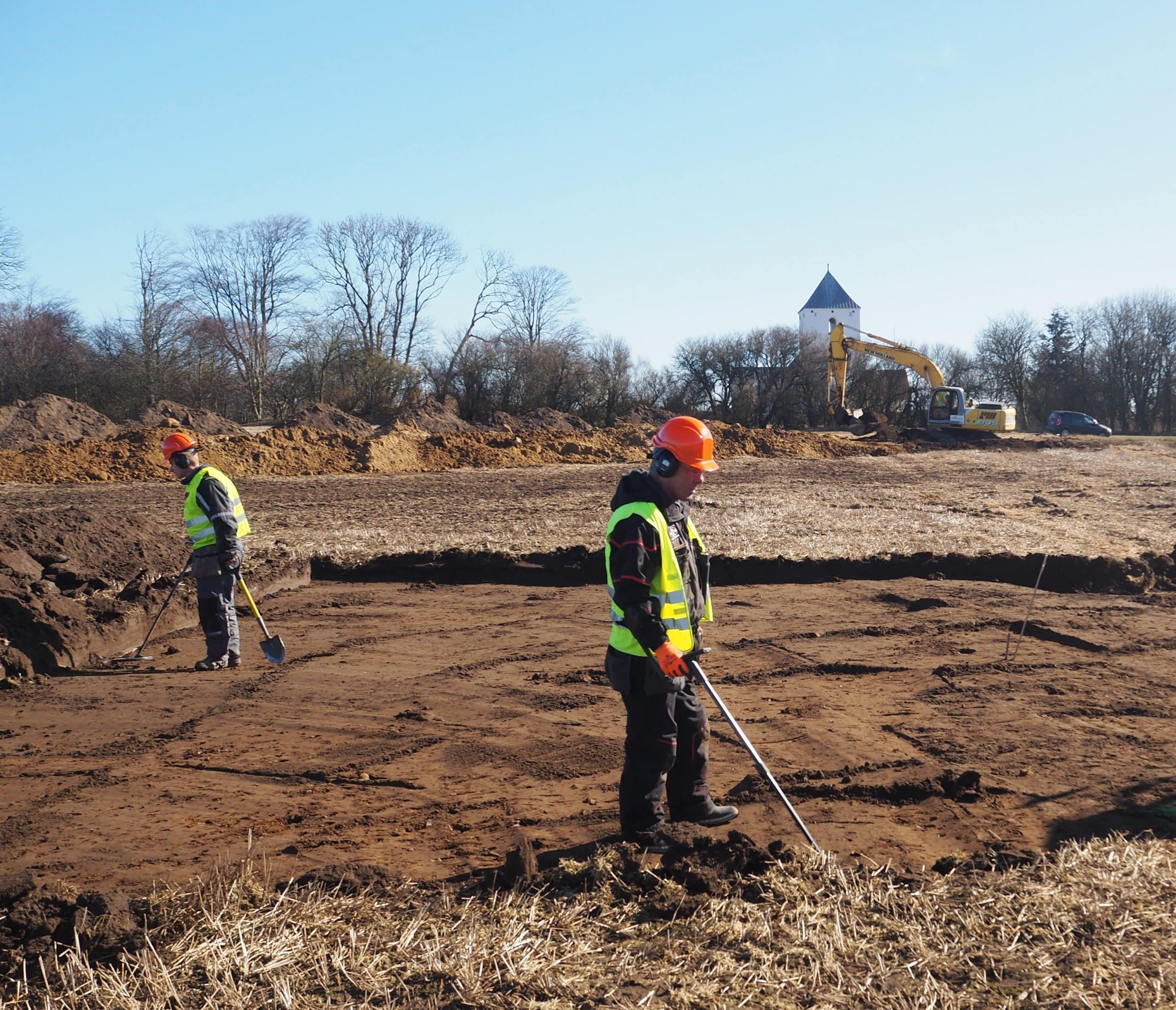
If you have found objects from ancient, medieval or modern times, Museum Salling Archaeology would like to see them and possibly register them. Such objects have cultural-historical value. You may have found the objects either by chance or because you use a metal detector.
We do not accept all objects into our collection. In most cases, you will be able to take your find home again. We would like to register and photo-document the item for our overall register.
In some cases, however, Museum Salling would like the objects to be included in our collection and in other cases it may be Danish artifacts.
Contact information
Museum curator Terkel Brannet
email: tebr@museumsalling.dk
tel: 2912 0656
Submission of detector finds:
Keep an eye on Museum Salling Archaeology’s Facebook page, where we announce when we have a drop-off evening.
Danefæ
Every year, Museum Salling, Archaeology receives finds made in Skive Municipality, which are known as Danefæ. You can read more about which objects can be Danefæ on the National Museum’s website: https://natmus.dk/salg-og-ydelser/museumsfaglige-ydelser/danefae/hvad-kan-vaere-danefae/
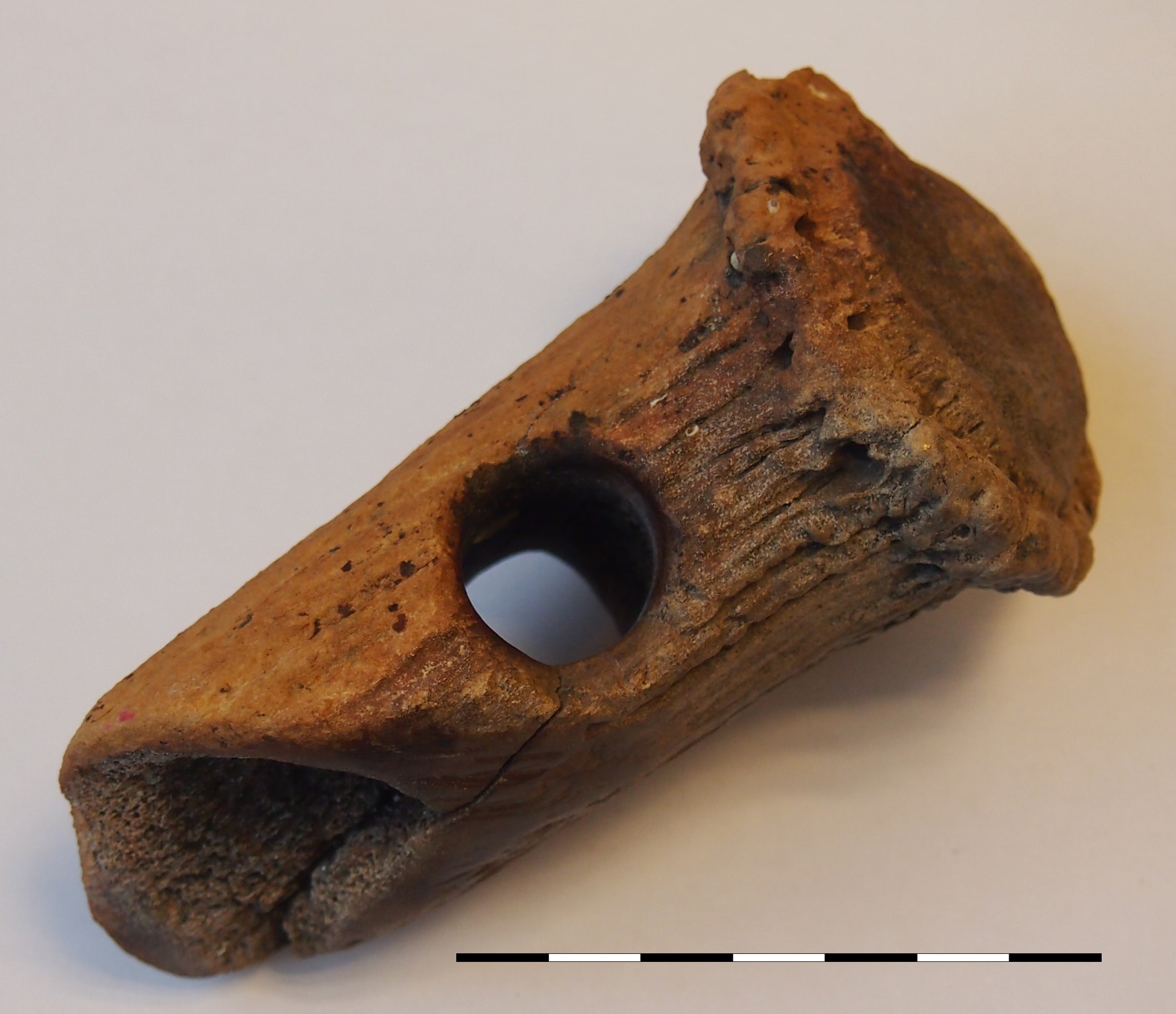
All antiquities made of gold and silver are Danish, but some objects made of bronze, lead, wood, amber, roofing, bone, and stone can also trigger a Danish Heritage allowance.
However, objects that do not meet the Danefæ criteria can still have cultural and historical value. This is both in relation to our collection and research within certain types of objects and time periods.
It is therefore very important that you contact the museum if you find something, for example, on a field detector tour. You should also contact us before you start your new hobby. Together we can help you get started.
Contact information
Museum curator Terkel Brannet
mail: tebr@museumsalling.dk
tel: 2912 0656
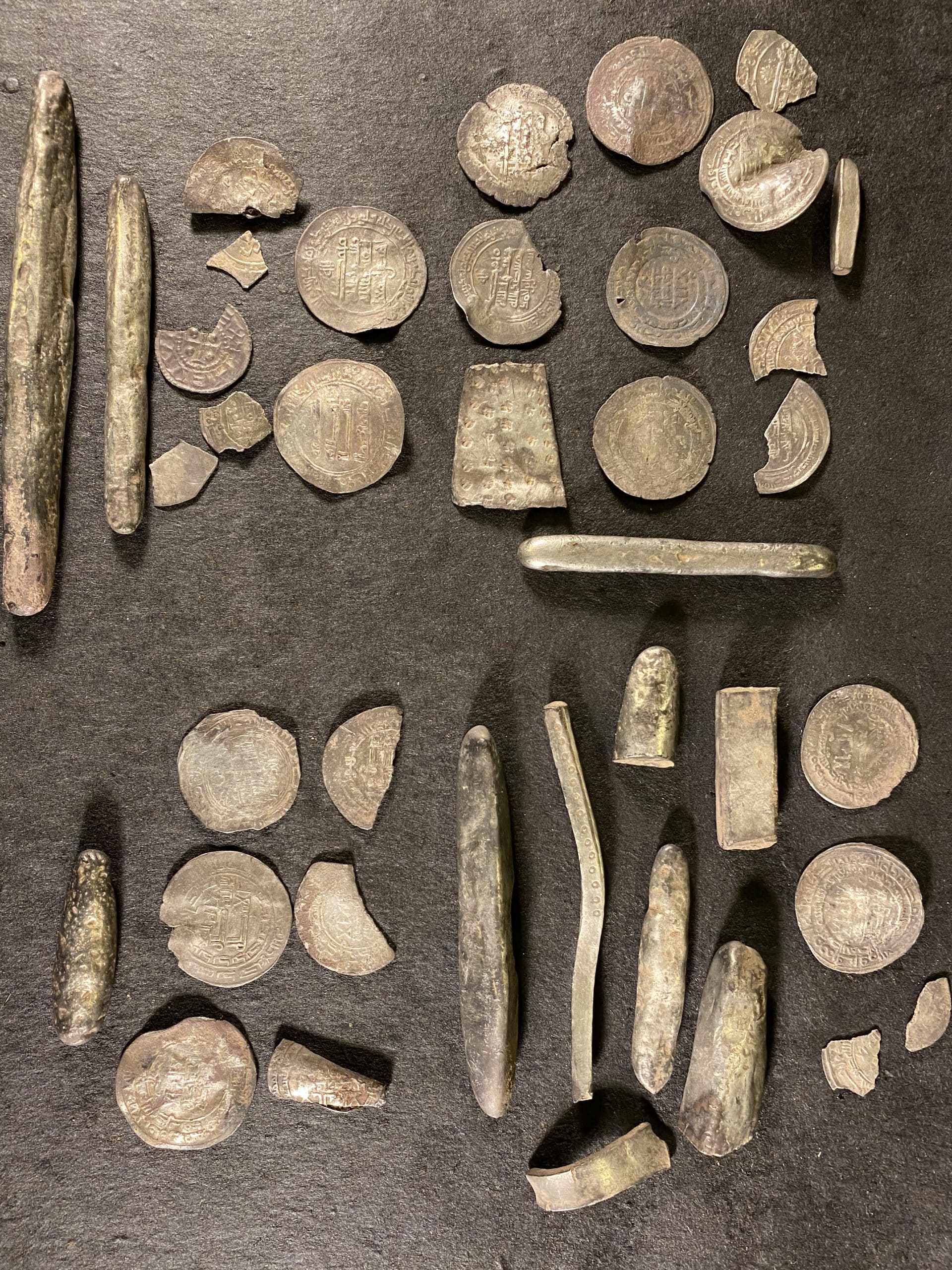
Procedure – from submission at Museum Salling Archaeology to Danefæv assessment at the National Museum of Denmark
As a local museum, it is part of Museum Salling’s task to accept objects for Dane heritage assessment. When you submit your finds, you must also fill out and sign a submission form. You can download the form here.
Finds submitted to Museum Salling are subsequently created as archaeological cases. The museum performs a sorting of your objects and sends out the ones that are declared to be Danish artifacts.
In order for you to receive a Danish heritage allowance, the museum must fill out a Danish heritage assessment form. The form, along with a finds list, accompanies your finds to the Danish Heritage Assessment at the National Museum.
At a fixed interval, the National Museum’s Danish Heritage Caravan collects the museum’s objects for Dane heritage assessment.
At the National Museum of Denmark, your finds will be assessed according to the current Danefæ criteria. The Danefæ allowance is decided solely by the National Museum of Denmark and only the finder can claim the payment. Emphasis is placed on material value, the rarity of the object and the finder’s diligence, among other things. According to current rules, the Danefægodtgørelsen is tax-free.
You can read more about the definition of diligence here https://natmus.dk/salg-og-ydelser/museumsfaglige-ydelser/danefae/indlevering-af-danefae/omhu-ved-danefaebehandling/
It is important that you do not clean, polish or brush metal objects before they are handed over to the museum. You risk damaging the decoration on the surface of the object or starting decomposition processes in the old metal. Likewise, do not empty soil out of objects, such as emptying soil out of the axe head of a celt. There may be information in the soil that can be used for scientific analysis.
Ancient and medieval iron objects should be returned to the museum as soon as possible so that they can be packed in a way that prevents decomposition.
In general, you should return your finds as soon as possible so that they can be stored safely in the museum’s climate-controlled storage facility. However, it’s never too late to hand in your find. If you find Danish artifacts in an old dresser drawer in the attic, you should also hand them in.